
Garage door installation cost is not one number. It depends on the size of your door, what it is made of, how well it is insulated and what your garage needs on install day. This guide walks you through each factor so you can plan with confidence and know what to ask for in an estimate.
What affects garage door installation cost
Most quotes are built from four parts: the door itself, any extras like insulation or windows, the labor to install it, and the removal of your old door. If a quote lumps these together, ask for them to be listed separately. That makes it easy to compare two estimates fairly.
We are not listing dollar amounts here, because prices change by door, season and home. The best way to get a real number is a free estimate that looks at your actual garage.
- Door size and style
- Material and thickness
- Insulation level
- Opener, springs and hardware
- Labor and old door removal
- Repairs to the frame or track area
What a good estimate should list
A clear estimate names the door model, the material, the panel style and the insulation level. It should say whether the springs, tracks, rollers and opener are new or reused. It should also say what happens to your old door.
If something is vague, ask about it before you agree to anything. A good installer is happy to explain each line.
Single vs double doors
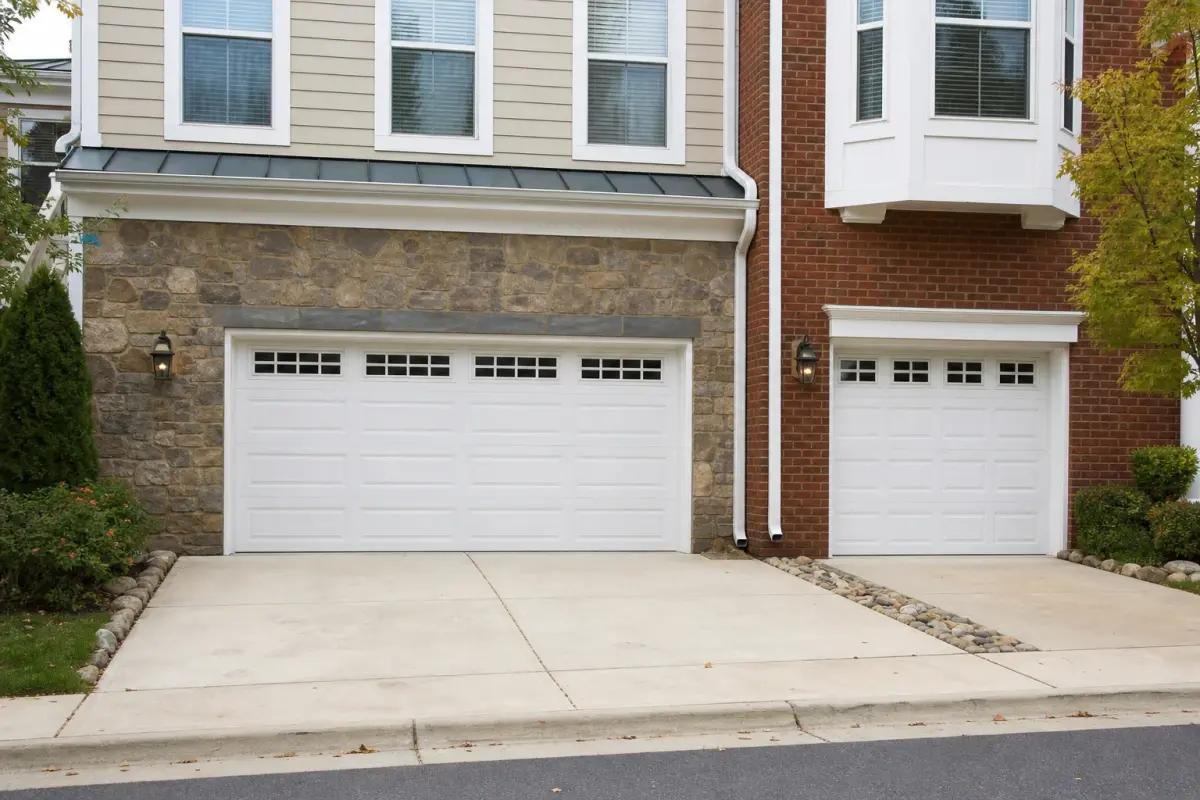
A double door covers more area, so it uses more material and weighs more. That usually means a higher door price and more work on install day. A single door is lighter and often simpler to handle.
Some homeowners with a two-car garage wonder if two single doors would be cheaper than one double. It is worth asking about. Two single doors need two sets of hardware and often two openers, plus a center post between them. One wide door needs stronger parts to carry the extra weight. The right answer depends on your opening and how you use the space.
Standard sizes vs custom sizes
Standard openings are the easiest to price. Many older homes in DC and Maryland have narrower or shorter openings, or a different height. A custom size can add to the cost and the wait for the door.
Why weight matters
A bigger, heavier door needs the right springs to balance it. Springs are under heavy tension and are always a job for a pro. If your old springs are worn, see our guide to garage door spring replacement cost to understand that part of a project.
Materials and insulation
Material is one of the biggest price drivers. Each option trades off cost, looks, upkeep and strength.
| Material | What to know | Best for |
|---|---|---|
| Steel | Strong, many styles, low upkeep | Most homes |
| Wood | Classic look, needs regular care | Style-focused homes |
| Aluminum and glass | Modern look, lets in light | Contemporary homes |
| Composite | Wood look with less upkeep | Look without the upkeep |
Windows, color and style
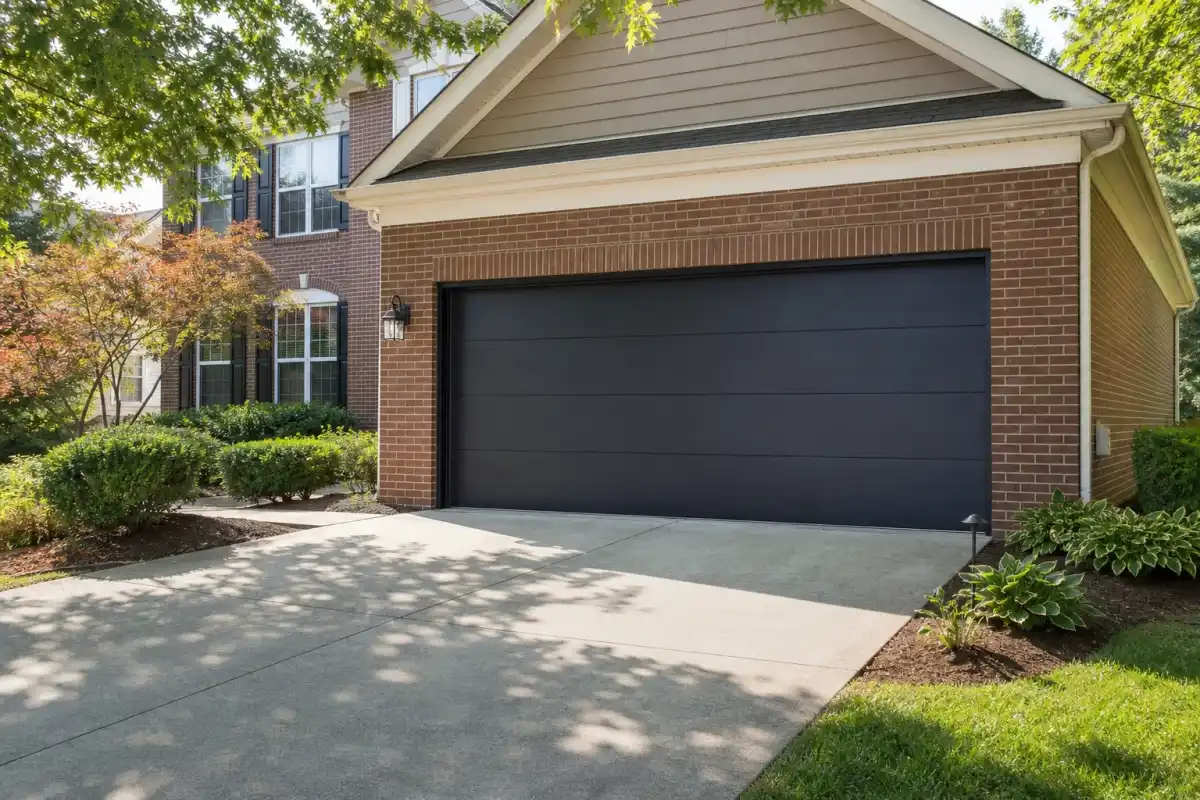
Extras add up. Window panels, custom colors, decorative hardware and raised panel designs all raise the door price. A plain panel door in a standard color is usually the simplest to price. If you want a certain look, decide which details matter most to you and which you can skip.
Is insulation worth it?
Insulated doors have layers or foam inside the panels. They tend to cost more than non-insulated doors. They can help if your garage is attached to the house, if you use it as a workshop, or if you want a quieter door.
You may see an R-value on insulated doors. That is a number showing how well the door resists heat moving through it. A higher number means better insulation, but a higher number also usually means a higher price.
Good to know: If your garage is detached and you only park there, a basic door may be enough. Think about how you use the space before you pay for extras.
Labor and what is included
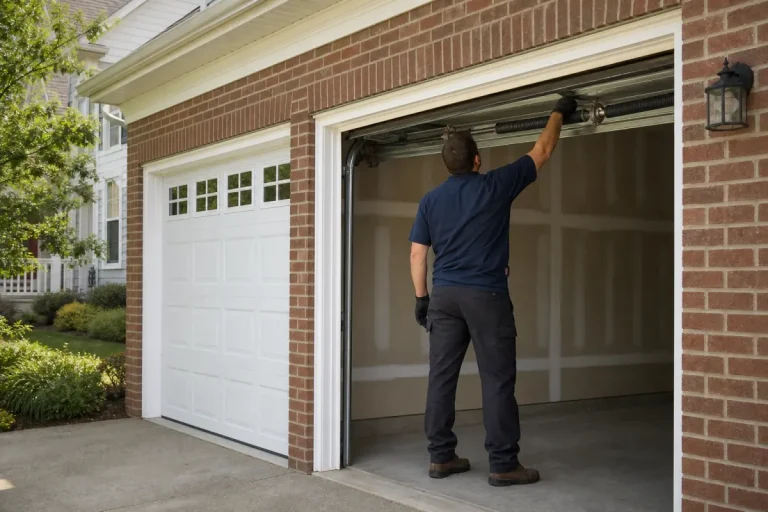
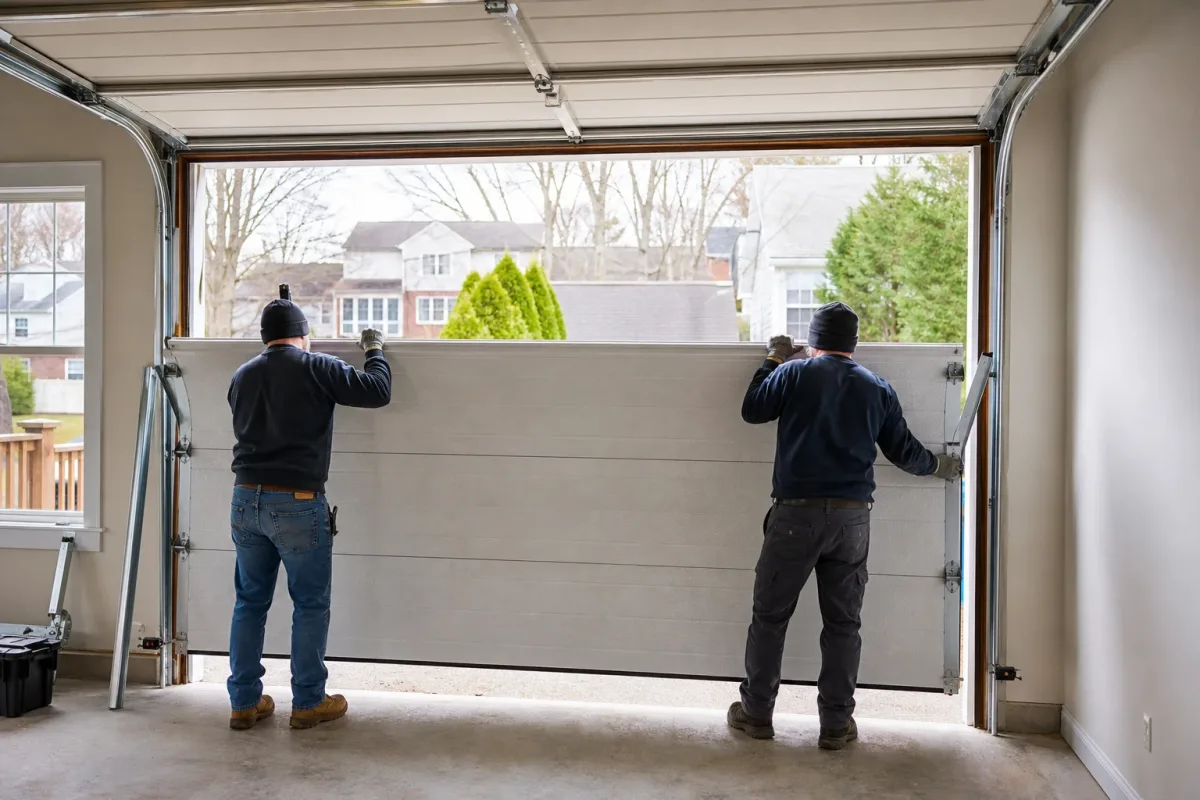
Labor covers measuring, assembling, hanging the door, setting the hardware and testing that it opens and closes smoothly. It also usually covers hauling away the old door, but confirm this in writing.
Safety first: Never try to take down an old door yourself. The springs and cables hold dangerous tension. Call a pro.
What can add to labor
Extra work can change the labor part of a quote. Ask whether any of these apply to your garage:
- A damaged or rotted door frame
- A worn or outdated opener that needs to be replaced
- New weatherstripping or a new bottom seal
- Reinforcing the top of the door for a heavier opener
- Tight headroom that needs a special track setup
These are easier to plan for when a pro looks at your garage first. You can also see our garage door repair and installation services to learn what Captain Smoothlift handles.
Pricing factors in Maryland and DC
Local conditions play a role in what you choose and what you pay. Our region has hot, humid summers and cold winters, so many homeowners look at insulation and weather sealing. Older row homes and townhouses in DC may have tight spaces or odd opening sizes. Some neighborhoods and HOAs also have rules about door style or color, so check yours before you order.
It is also smart to ask your city or county office whether your project needs any approval. Rules differ from place to place, and a quick call can save trouble later.
How to get an accurate estimate
Measure nothing yourself if you are unsure. A pro can measure the opening, check the headroom, and look at your opener. Then you will see the options and what each one changes in the total.
- Decide how you use your garage.
- Pick a material and insulation level.
- Ask whether the opener is included.
- Ask what happens to your old door.
- Compare quotes line by line.
The cheapest door is not always the lowest cost. Compare what is included, not just the total.